

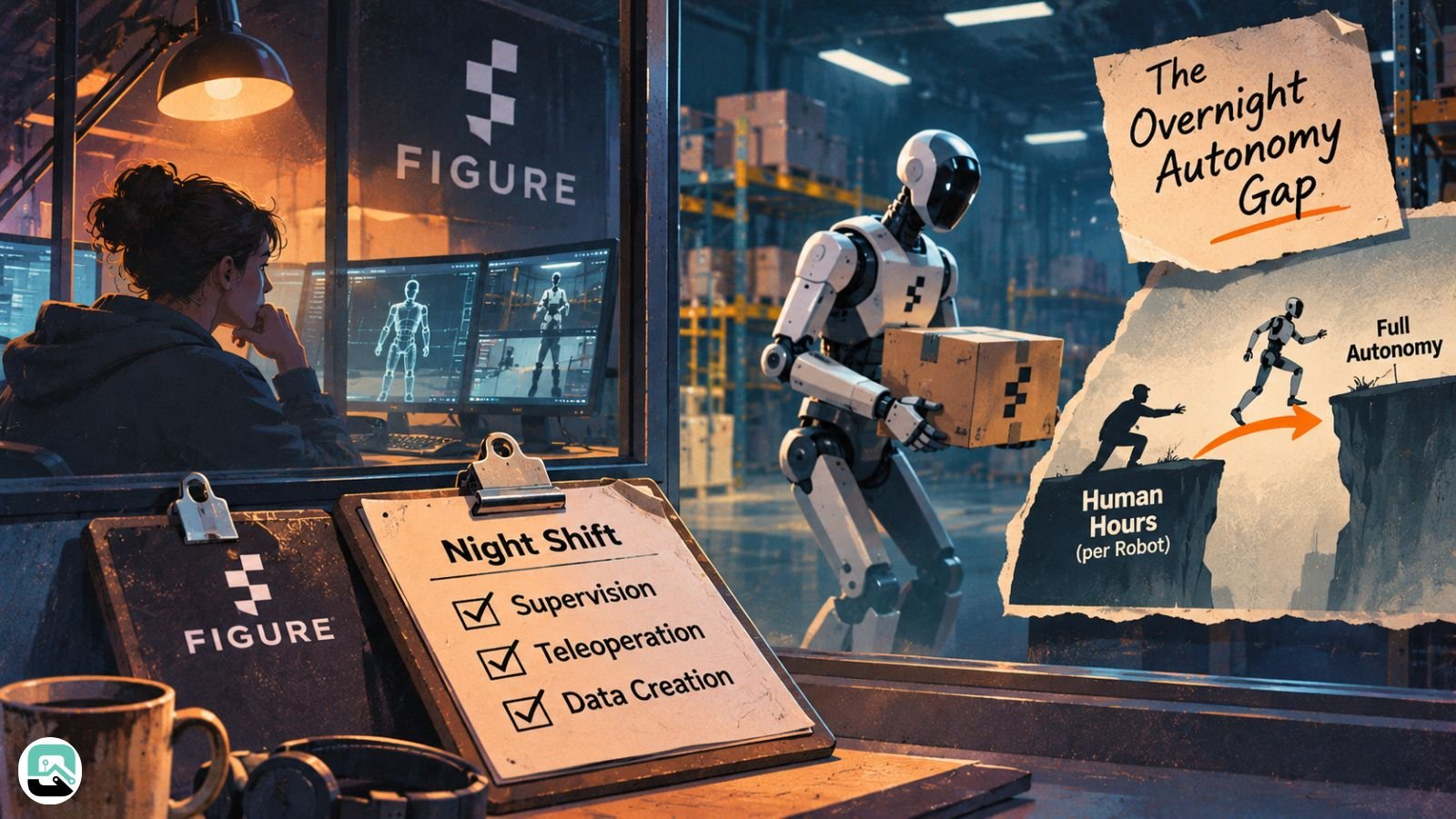
Figure AI sells autonomy. Its job board sells something else: people who stay awake so the robots can work.
Figure describes itself as an AI robotics company developing autonomous general-purpose humanoid robots. Its overnight listings describe the human side of that sentence. Someone has to be in the building at 3 a.m.
What the postings describe
The night shift coordinator role gives the clearest view. The coordinator leads an overnight team of robot operators and owns the shift’s results. Night shift has limited engineering support, so the coordinator makes the calls. The job also covers keeping robots running for real commercial use. At shift end, the coordinator briefs the day team on what happened.
Operators do the hands-on work. They work directly with the robots and teach them new behaviors and skills. A separate operator listing says they may wear teleoperation equipment, guide the robot through designated behaviors, and upload the collected data to the AI training system.
The “Helix Data Creator” posting drops the euphemism. Workers wear sensor equipment, guide robots through human-like motions, and collect motion data that trains AI models. You can read the full night-shift data creator listing on a job board.
The overnight autonomy gap
The easy headline says humans babysit robots. It misses what the postings show.
These workers do three jobs at once:
| Function | What the human does | Who benefits |
|---|---|---|
| Supervision | Keeps robots productive and safe | The customer |
| Teleoperation | Steers the robot through tasks it can’t yet handle | The customer, today |
| Data creation | Turns each correction into training data | Figure’s models, tomorrow |
Call the distance between what a robot does alone and what a shift needs done the overnight autonomy gap. Each hour a human spends closing that gap also produces labeled data. The babysitter and the teacher are the same person on the same shift.
That changes the economics. Figure pays for supervision, and it also pays for the data meant to make supervision unnecessary.
Why the night shift is the real test
Daytime deployments come with engineers nearby. Overnight shifts don’t. A robot that works only when engineers are around is a demo. A robot that works at 3 a.m. with a small crew is a product.
So the night shift works as an informal benchmark. If Figure shrinks the overnight team while output holds, autonomy is real. If the team grows with every new site, the gap stays wide.
Customer sites raise the stakes
Some roles sit inside customer facilities. One posting covers a Fontana, California customer site, and it requires working fully onsite at the customer facility.
That detail matters. In a lab, a stuck robot costs a few minutes. At a customer site, a stuck robot costs a customer’s output. The operator carries that pressure alone, often at night.
Contract terms hint at the same uncertainty. One operator opening is a contract-to-hire position that aims to move into full-time work. Companies rarely structure roles that way when they know the headcount they need.
The data flywheel runs through people
Figure built Figure 03 around its Helix system. Helix is a vision-language-action AI system. Models like it turn what a robot sees and hears into movement. They need demonstrations to learn from, and the internet holds no archive of folding laundry or sorting parcels.
Someone has to make that archive. Research institutes now treat the job as infrastructure. South Korea opened a facility where twelve humanoids work under remote control, and the whole point is recording teleoperation sessions to train these models. Figure runs a commercial version of the same loop, with operators on real customer floors.
Hardware plays a part too. Figure says it redesigned Figure 03 for lower manufacturing cost and for Helix. In its launch post, the company states that there is no path to scaling humanoid robots without AI. Its own job board adds a corollary: no path without people feeding the AI, either.
Figure isn’t alone
Other makers use the same model. Human-assisted autonomy already ships in consumer-facing humanoids, with a remote person stepping in when the robot stalls. Figure just does it at industrial scale, on the night shift.
Replacement claims deserve the same scrutiny. Embodied AI, for example, pitches a wheeled factory robot as a stand-in for three workers. The Figure postings suggest a better question: how many people does each robot need behind it?
Video may also change the picture. Some teams want to train robots from recordings of people instead of teleoperation sessions. If that works, fewer operators wear sensor gear at 3 a.m. Nobody has shown it replaces teleoperation at commercial scale.
The job and the pay
The work is physical. The coordinator listing asks for the ability to stand 8+ hours and handle up to 50 lbs.
Pay varies by listing, so treat any single figure with care. A job board shows $30 per hour for the data creator role. Another shows $32 per hour for the night operator. A third aggregator lists $62,400 a year for the operator title. All three come from third-party boards, not from a Figure announcement.
What to watch next
Three signals will show whether the gap is closing:
- Ratio disclosure. Will Figure ever say how many robots one operator supervises?
- Role titles. A move from “Operator” and “Data Creator” toward “Fleet Monitor” would signal progress.
- Overnight headcount per site. Flat numbers across new deployments would be the strongest evidence.
Until one of those moves, the job board tells the clearest story. The robots work. The humans keep them working.
FAQs
Q. Are Figure’s humanoid robots fully autonomous?
Figure builds toward that goal. Its postings show humans still operate, guide, and correct robots in commercial settings.
Q. What does a humanoid robot operator do?
Operators run robots on customer use cases and test new behaviors. Some also wear teleoperation gear to guide robots and collect training data.
Q. Why does Figure hire people to create training data?
Wearable sensors capture human motion. That motion trains the models that drive the robots.
Q. Does the night shift offer permanent work?
Some listings are contract-to-hire. Terms vary by role and site.
Q. What is the overnight autonomy gap?
It’s the distance between what a robot completes alone and what a shift requires. Human operators fill it today.
Related: Tesla’s 20,000-a-Week Optimus Plan Could Make Texas Instruments a Big Winner